How to Build a 360° Digital Marketing Plan That Works
In today’s hyper-connected world, a single marketing channel just isn’t enough. Audiences move seamlessly between Google searches, Instagram reels, YouTube videos, and email inboxes. To truly stand out and stay relevant, brands need to meet users wherever they are—with a 360° digital marketing plan.
But how do you create a strategy that actually delivers results instead of just scattering your efforts?
Let’s break it down step by step.
🎯 Step 1: Define Clear Goals
Start by asking:
What do you want to achieve?
More leads? Website traffic? Brand awareness?
Every effective 360° marketing strategy starts with SMART goals—Specific, Measurable, Achievable, Relevant, and Time-bound.
Your goals will shape the tools and channels you use.
👤 Step 2: Know Your Audience
A 360° strategy is only powerful if it speaks directly to your ideal audience. Build detailed buyer personas by understanding:
Age, location, and occupation
Online behavior (social platforms, devices, search patterns)
Pain points and interests
This helps you deliver the right message on the right platform at the right time.
🌐 Step 3: Map Out the Channels
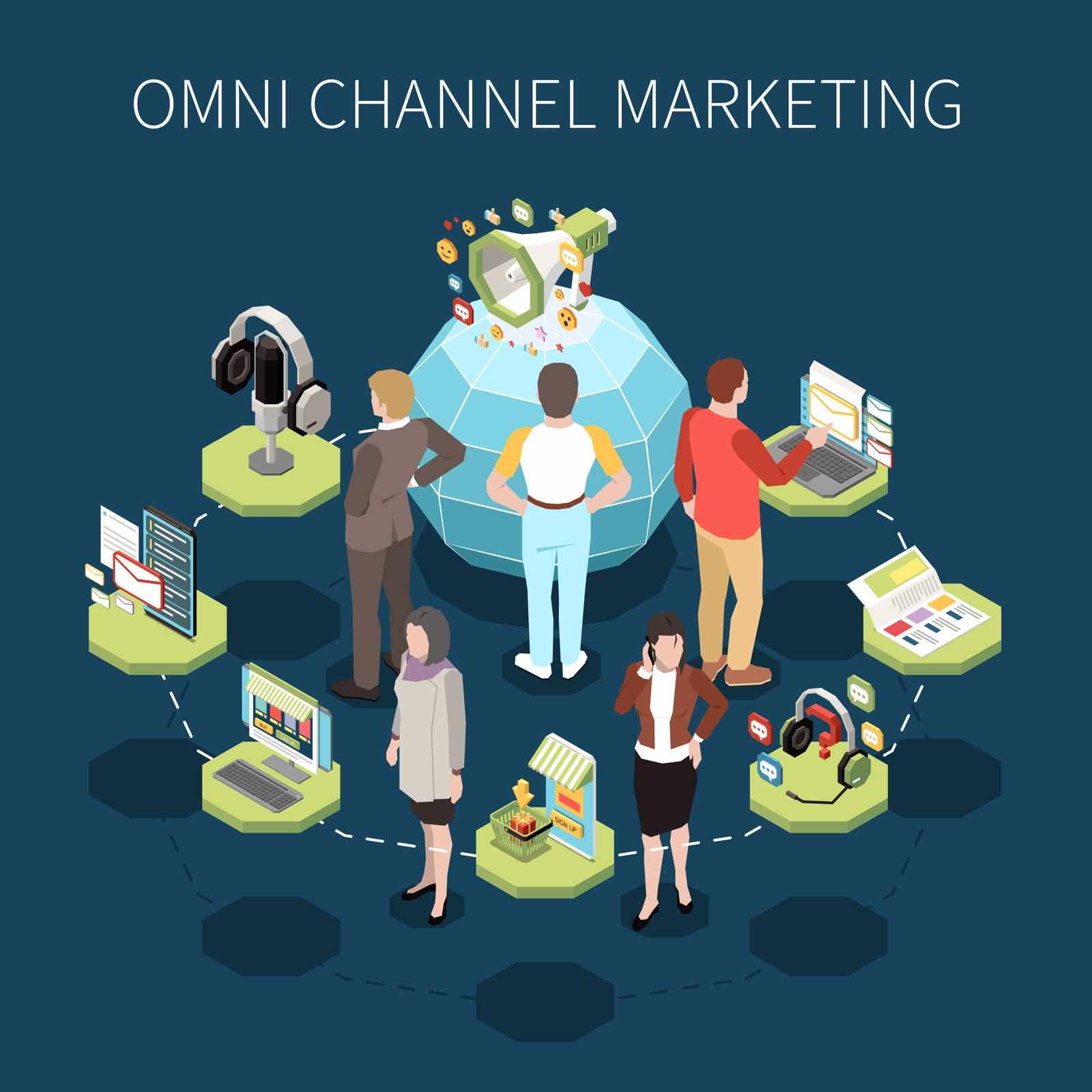
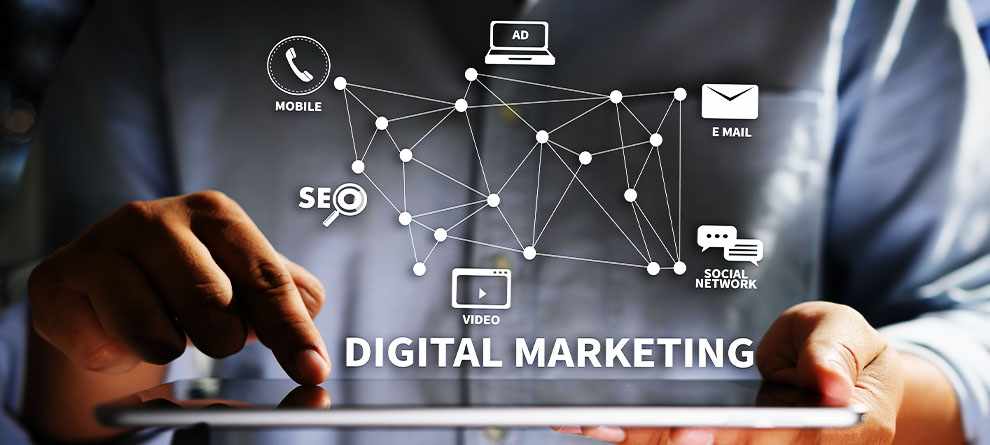
The beauty of a 360° plan lies in integration. Here are key channels to consider:
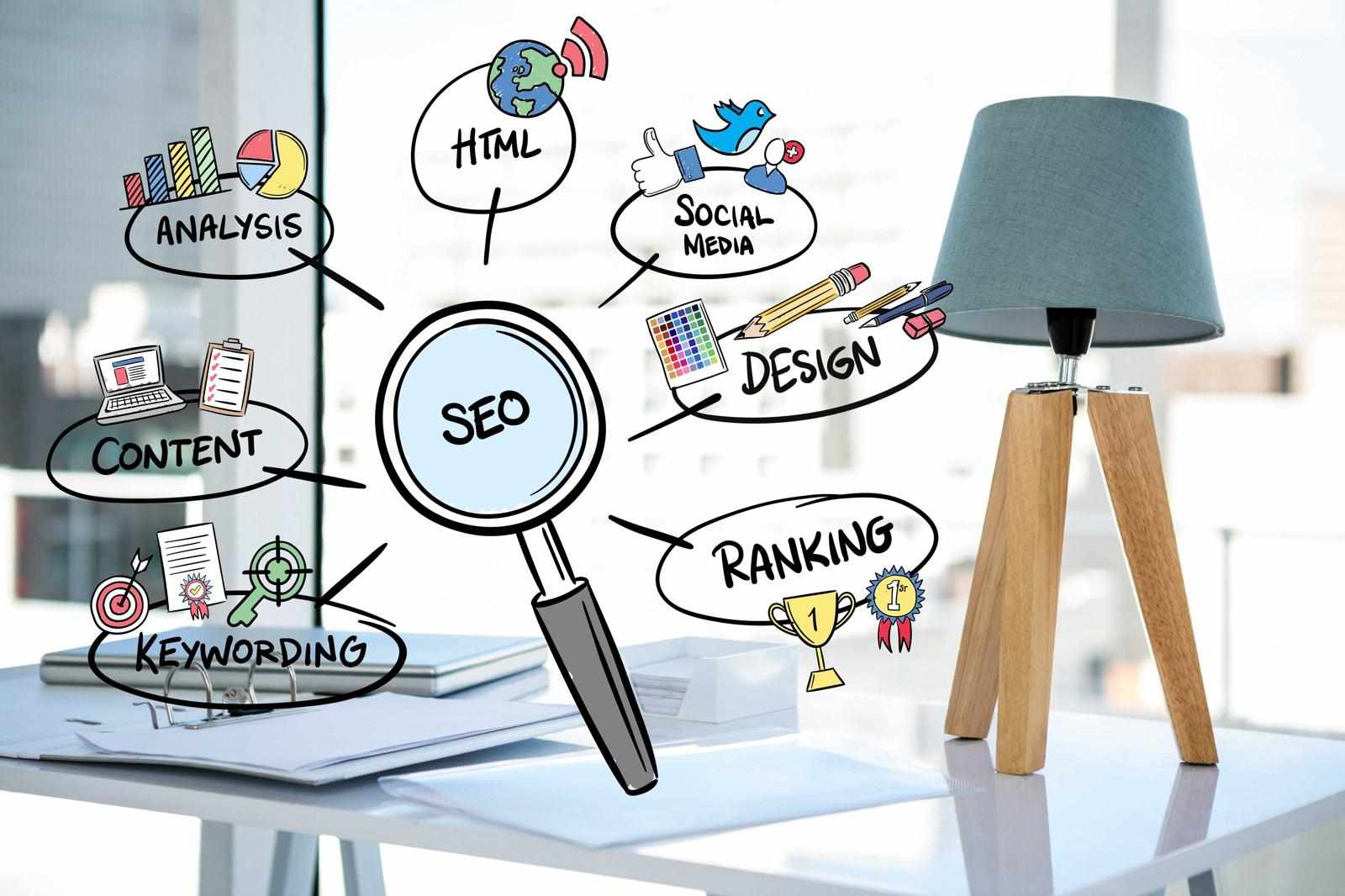
Website & SEO – Your online headquarters. It must be optimized, fast, and mobile-friendly.
Social Media – Engage your audience where they hang out (Instagram, LinkedIn, Facebook, YouTube).
Email Marketing – Great for nurturing leads and boosting retention.
Content Marketing – Blogs, guides, and videos to build trust and authority.
PPC & Display Ads – Quick results and retargeting power.
Influencer & Affiliate Marketing – Leverage others’ audiences to amplify your reach.
Each channel should serve a unique purpose while supporting your overall messaging.
✍️ Step 4: Craft Consistent, Multi-Platform Content
No matter where your audience finds you—on a Google search or scrolling through Reels—they should experience a consistent brand voice and message.
Create:
Blog posts for SEO
Short-form videos for social
Infographics for visual platforms
Emails for nurturing
Paid ads with strong CTAs
🧠 Tip: Repurpose one idea into multiple formats. A blog post can become a LinkedIn carousel, a reel, and an email snippet.
📊 Step 5: Set Up Analytics & Tracking
You can't improve what you don’t measure. Use tools like:
Google Analytics
Facebook Ads Manager
Search Console
Email performance reports
Track:
Conversion rates
Click-throughs
Bounce rates
Traffic sources
Engagement metrics
Then, adjust your strategy based on real-time insights.
🔁 Step 6: Automate and Optimize
Automation saves time and ensures consistency. Use tools for:
Scheduling social media posts
Automating email sequences
Retargeting ads
Chatbots for quick responses
But don’t go fully hands-off. Always monitor performance and optimize based on what works.
🧩 Step 7: Stay Agile and Evolve
A 360° digital marketing strategy isn’t a “set it and forget it” plan. Trends shift, platforms evolve, and user behavior changes fast.
Schedule monthly or quarterly audits to:
Review performance
Test new content types
Try emerging platforms
Refine your message
✅ Final Thoughts
A successful 360° digital marketing plan isn’t about doing everything—it’s about doing the right things in sync.
When your SEO, social media, email, content, and paid campaigns all support one unified brand story, you don’t just market—you build relationships, drive growth, and create lasting impact.
Want to explore what a full-circle digital marketing approach looks like? Take a look at 360° digital marketing services that support your growth from every angle.





Write a comment ...